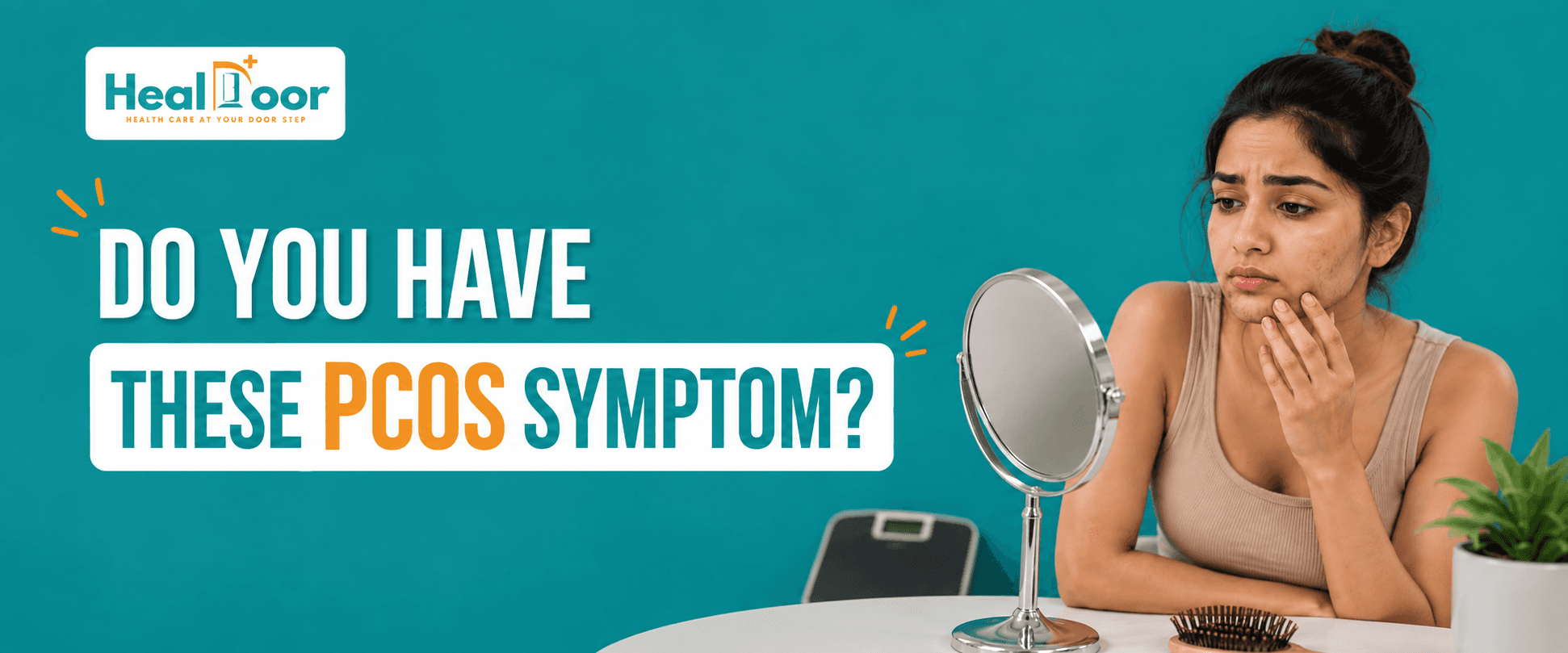
Neha, 24, had irregular periods for more than a year before she saw a gynecologist.
In the meantime, she watched countless reels and read many blogs about PCOS and PCOD. Each one said something slightly different. What finally helped was not another post. It was a proper diagnosis.
What Is PCOS/PCOD?
PCOS stands for Polycystic Ovary Syndrome. PCOS in women is one of the most common hormonal conditions during the reproductive years. It affects the ovaries and can influence periods, weight, skin, hair and fertility.
In Hindi searches, people often ask "PCOS kya hota hai?" The simple answer: it is a hormonal imbalance that affects how the ovaries work.
PCOS/PCOD Difference
In India, PCOS and PCOD (Polycystic Ovary Disease) are often used interchangeably, which confused Neha. A common explanation describes PCOD as the milder, more common condition, where the ovaries release many immature eggs. PCOS is described as a broader hormonal and metabolic disorder.
This distinction is not standardized in medical guidelines, so ask your doctor what your own diagnosis means.
What Causes PCOS?
Doctors do not yet know the exact cause. However, the main PCOS causes that are well recognized include:
• Genetics and family history
• Insulin resistance, where the body does not respond well to insulin
• Hormonal imbalance, especially higher levels of androgens (male-type hormones)
Lifestyle and weight can affect how symptoms show up. But PCOS happens in women of all body types. Neha had assumed it was only a weight problem, which is a common misunderstanding.
What Are the Symptoms of PCOS?
PCOS symptoms and PCOD problem symptoms look similar and vary from woman to woman. Common signs include:
• Irregular or missed periods
• Acne that does not respond to usual treatment
• Excess hair on the face or body
• Thinning hair on the scalp
• Weight gain, especially around the abdomen
• Difficulty getting pregnant
For Neha, irregular periods were the first sign. Many women notice acne or weight changes first.
Diagnosing PCOS
No single test confirms PCOS. Diagnosing PCOS usually combines:
• A review of symptoms and menstrual history
• Blood tests to check hormone levels
• An ultrasound of the ovaries
Neha's doctor also ruled out other conditions with similar symptoms, such as thyroid problems, before confirming the diagnosis.
PCOS Treatment and PCOS Weight Loss
Polycystic ovary syndrome treatment usually combines lifestyle changes with medical management. The plan depends on your symptoms and goals, such as regular periods, clearer skin or pregnancy.
Where PCOS weight loss is a goal, even modest and steady changes can improve symptoms for many women. At the same time, PCOS weight gain is common because of hormonal and insulin effects. It is not simply a matter of willpower.
HealDoor's PCOS Management program brings a dietician, physician, physiotherapist and psychologist together. Diet, hormones, movement and mental health are handled in one plan.
PCOS and Pregnancy
PCOS is a common cause of difficulty getting pregnant, but PCOS pregnancy is very possible. Many women with PCOS conceive, sometimes with medical help to regulate ovulation.
If you are searching "PCOS how to get pregnant," the honest answer is that it depends on your hormonal profile. A doctor can guide the right approach for you.
Frequently Asked Questions
Q: Can you get pregnant with PCOS?
Yes. Many women with PCOS conceive, sometimes with medical support to help regulate ovulation.
Q: Does PCOS cause weight gain, or does weight gain cause PCOS?
It works both ways. PCOS can make weight gain easier because of hormonal and insulin effects, and extra weight can make symptoms worse.
Q: Is PCOS the same in every woman?
No. Symptoms and severity vary widely, which is why a personal diagnosis matters more than a checklist.
Q: When should I see a gynecologist for PCOS?
As soon as you notice persistent irregular periods or other symptoms. Neha waited over a year before searching "PCOS gynecologist near me." Earlier evaluation usually makes treatment easier.
Conclusion
A year of searching online gave Neha a dozen conflicting theories. One consultation gave her a diagnosis and a clear plan. Understanding your PCOS symptoms and treatment options early is always worth it.