Author:- Dr Shikha Chadha (PT)
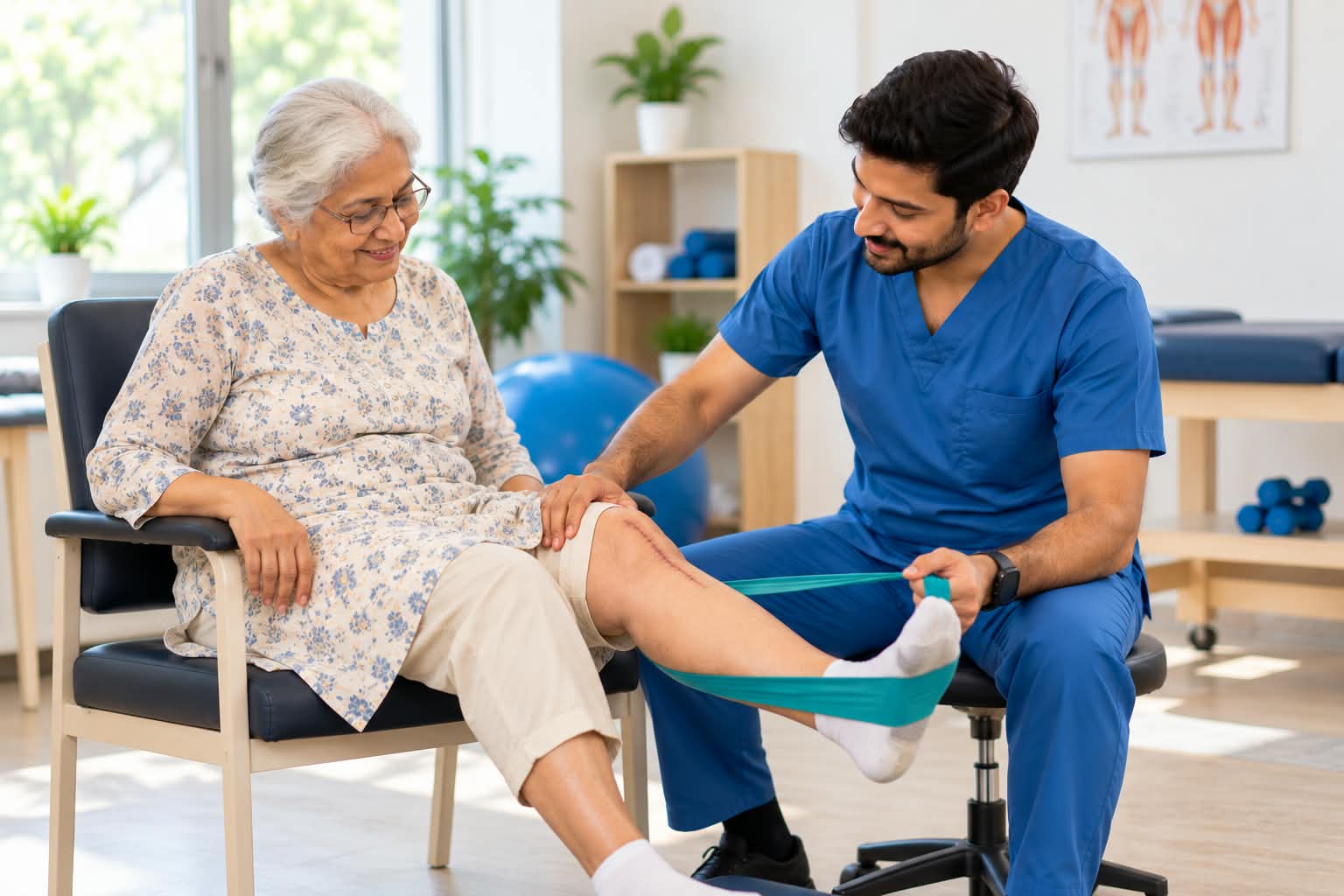
Mr. Lal was 72, and for most of his life he had been an active and fit person. He was a retired accountant. A few months after a stroke, he could no longer climb the stairs without help, and he had stopped going to the market. His daughter, worried but unsure where to begin, typed "physiotherapist near me" into her phone one evening and booked a visit at home.
Who Can Benefit From Physiotherapy for Elderly Patients?
That is how many families meet physiotherapy for elderly patients. Nobody plans for it. A fall, an illness, a hospital stay or a stroke happens, and suddenly an older person who was managing fine finds that walking, balance and strength have slipped.
It is not only for people who have had a stroke. Older adults who struggle with mobility, balance or strength, or who are recovering from an illness or an injury, can benefit from it, and home physiotherapy makes it easier for those who find travelling to a clinic tiring or unsafe.
What a Home Assessment Includes
When I arrived, I did not begin with exercises. I began by talking with Mr. Lal and his daughter, and then I watched how he moved in his own space. I looked at:
• how he walked from room to room
• how he got up from a chair and out of bed
• how steady he was when he turned or reached
• his balance
• risks around the house: a rug that could catch a foot, a dim passage, a bathroom floor that could get slippery
And I asked him what mattered most to him. He did not say "better range of motion." He said he wanted to walk to the park again and not depend on his daughter for everything. Goals like that shape every plan.
Common Therapy Goals, Including Stroke Rehabilitation Exercises
The plan was built around those goals. In general, therapy for an older adult aims at:
• safer walking
• practising getting up from a chair and sitting down again with control
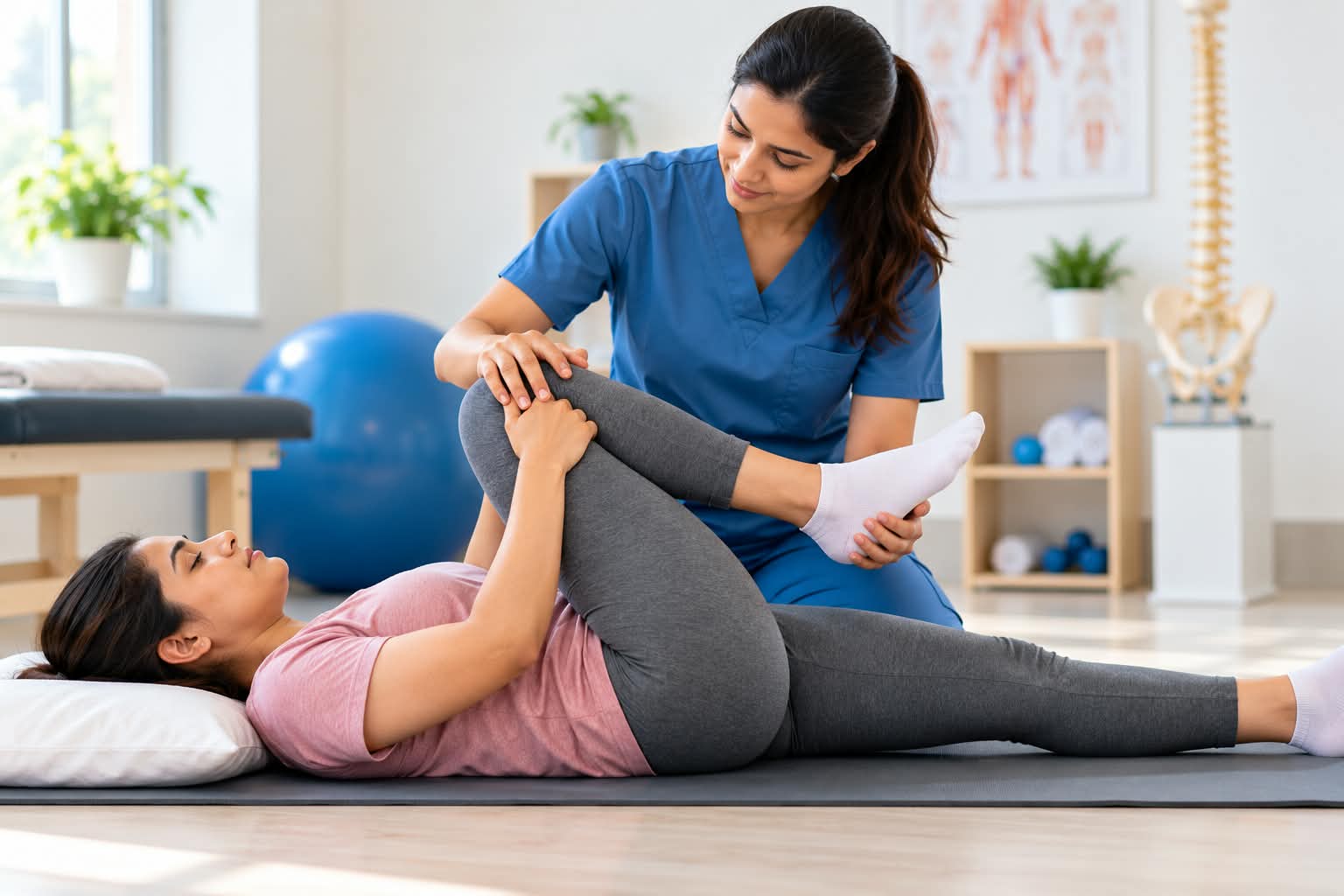
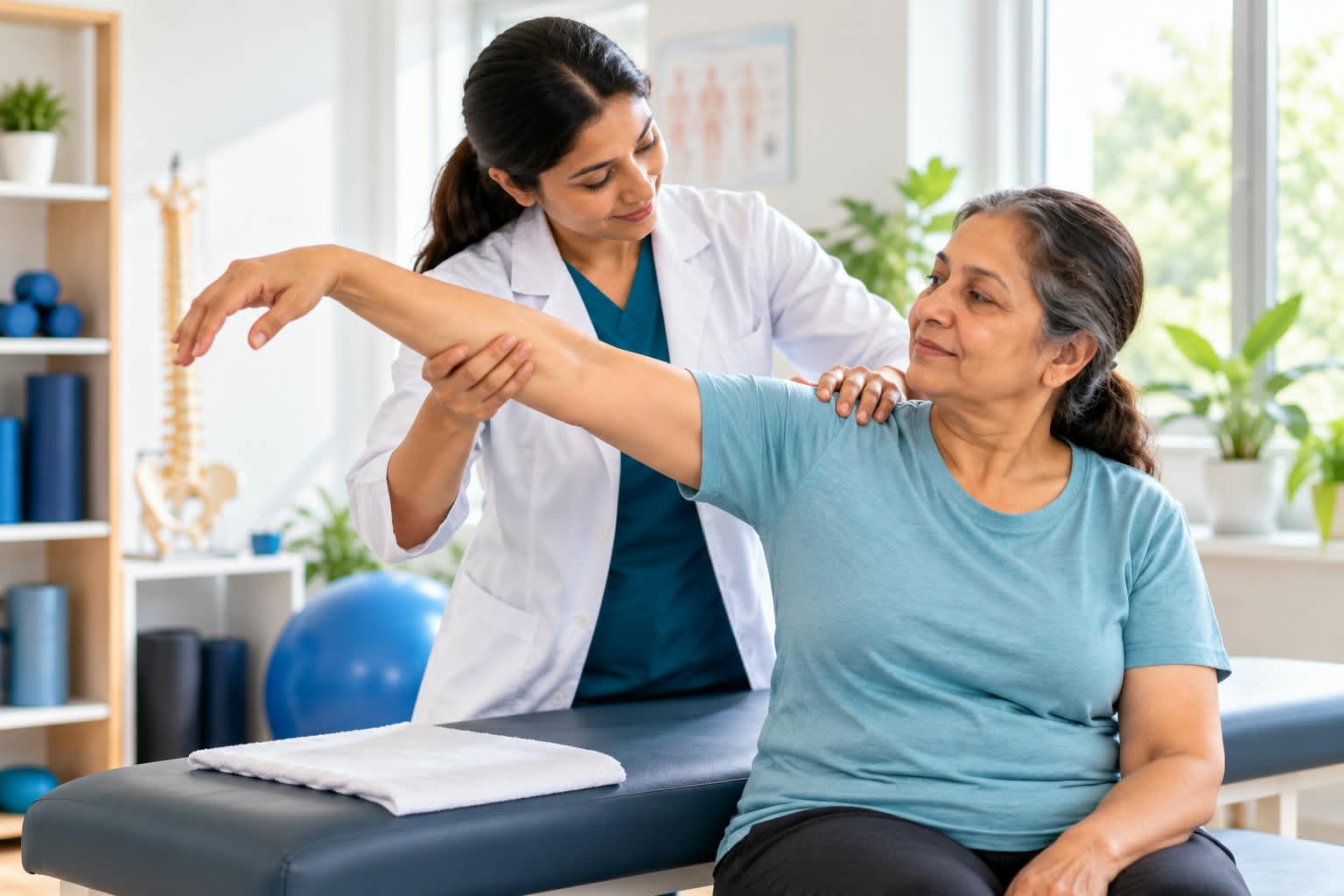
• building strength and flexibility
• supporting as much independence as is realistic for that person
After a stroke, people often hear about stroke rehabilitation exercises, and it is true that targeted movement practice matters. But which exercises, and how hard, depends on how the stroke affected that person, so they are chosen after an assessment and adjusted over time. They are not something to copy from a video and hope for the best.
The same applies to physiotherapy at home in general: the convenience of home does not change the need for a plan made for the individual.
How Family Members Can Support Recovery
Mr. Lal's daughter asked what she could do to help, and I was glad she did, because family members make a real difference. A safe home helps more than most people expect.
• Keep walkways clear of clutter and loose rugs.
• Make sure lighting is good at night.
• Keep things the person uses often within easy reach.
• If a walking stick, frame or other aid has been recommended, make sure it is used the way the physiotherapist showed, every time, even for short distances.
• Encourage the exercises that were prescribed, and be patient.
Do not rush the person or push them past what they have been advised to do, and bring any concerns to the physiotherapist instead of changing the plan yourself.
When to See a Doctor
There was one more thing I told them, because it matters more than anything else in this story. Not every change in an older person's body belongs in a physiotherapy session. Arrange a medical assessment if there are:
• new or worsening falls
• new or increasing pain
• reduced mobility
• weakness with no clear reason
SEEK URGENT HELP Some signs are emergencies. If you see a sudden droop on one side of the face, difficulty speaking, weakness on one side of the body, chest pain, or severe breathlessness, call for emergency care immediately. Do not wait to see if it passes.
Frequently Asked Questions
Q: Who can benefit from physiotherapy for elderly patients?
Older adults who struggle with mobility, balance or strength, or who are recovering from an illness or an injury, can benefit. It is not only for people who have had a stroke. Home physiotherapy makes it easier for those who find travelling to a clinic tiring or unsafe.
Q: What does a home physiotherapy assessment include?
The physiotherapist talks with the person and their family, then watches how the person moves in their own space: walking from room to room, getting up from a chair and out of bed, and how steady they are when they turn or reach. Balance is checked, and the home is looked at for risks such as loose rugs, dim passages or slippery floors. The person's own goals shape the plan.
Q: Are stroke rehabilitation exercises the same for everyone?
No. Which exercises, and how hard, depends on how the stroke affected that person, so they are chosen after an assessment and adjusted over time. They are not something to copy from a video.
Q: How can I find a physiotherapist near me for an elderly parent?
Many families start with an online search, as Mr. Lal's daughter did. Look for a physiotherapist who begins with an assessment of how the person moves, their balance and their home, and who builds the plan around the person's own goals, not a standard list of exercises. HealDoor offers physiotherapy at home and at its Rohini West clinic.
Q: How can family members help at home?
Keep walkways clear of clutter and loose rugs, make sure lighting is good at night, keep frequently used things within easy reach, and make sure any walking aid is used exactly as shown. Encourage the prescribed exercises, be patient, and bring concerns to the physiotherapist.
Conclusion
It is easy to think of older age as a time when decline is simply expected. In my experience, a lot of what looks like "just getting old" can be helped with the right guidance, and the earlier it starts, the more options there usually are.
If an older person in your family is finding it harder to walk, stay steady or manage daily tasks, a home assessment can be a gentle first step.
If you would like help, book a home visit, and we will look at what the person needs and plan from there. HealDoor offers physiotherapy at home and at its Rohini West clinic.